You’re writing a sentence, you type the word, and suddenly it looks wrong. Is it one L or two? The confusion is understandable because English has two accepted spellings that depend entirely on where you learned the language.
Here’s the short version: “labeling” is correct in American English, and “labelling” is correct in British English. Neither spelling is a mistake. They’re just regional choices.
What Does “Label” Mean in the First Place?
Before sorting out the spelling, it helps to know what the base word actually does. Label can work as a noun or a verb.
As a noun, a label is a small tag or piece of information attached to something, like the nutrition label on a cereal box.
As a verb, to label means to attach a tag to something, or more broadly, to describe or categorize someone or something. For example: “Don’t label him as lazy just because he’s quiet.”
The spelling confusion only shows up once you add an ending like -ing or -ed, which is where American and British English part ways.
American English vs British English: The Real Difference
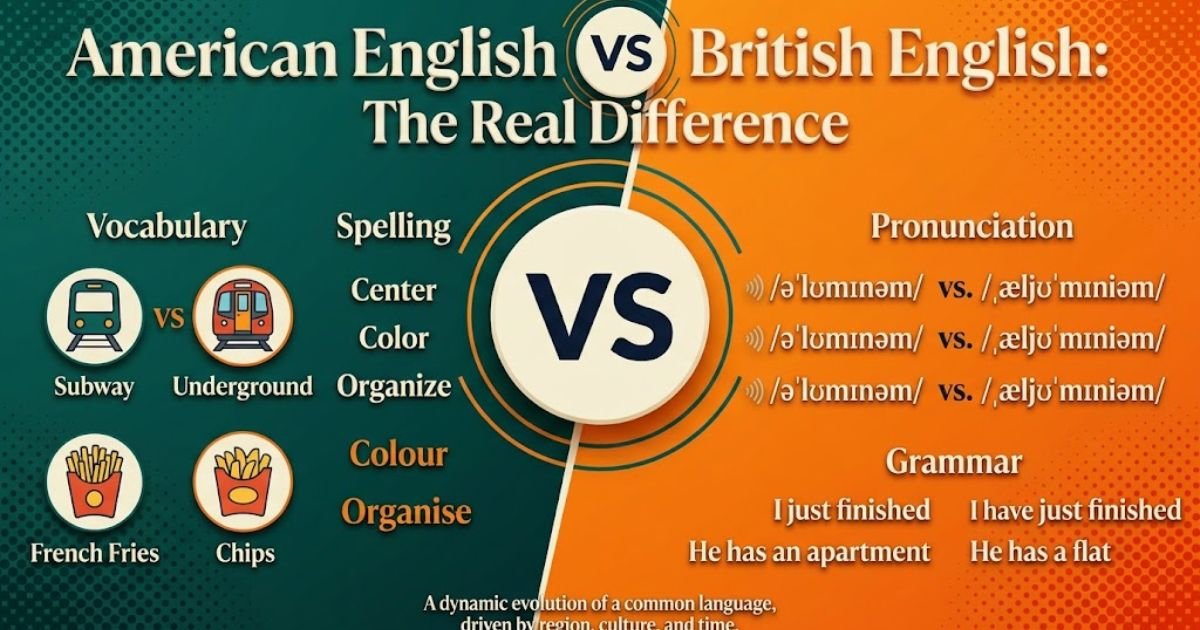
This is purely a regional spelling rule, not a grammar rule. Both versions are grammatically correct within their own systems.
American English (US): labeling, labeled, labeler British English (UK, and most Commonwealth countries like Australia, Canada, and India): labelling, labelled, labeller
The difference comes down to a spelling convention called consonant doubling. British English tends to double a final consonant before adding a suffix, even when the stress falls on the first syllable. American English generally does not double that consonant in the same situation.
You’ll see the same pattern in other word pairs:
| American English | British English |
| traveling | travelling |
| canceled | cancelled |
| modeling | modelling |
| labeling | Labelling |
If you’re writing for a US audience, textbook, or American company, use labeling. If you’re writing for a UK, Australian, or Canadian audience, use labelling.
Read Related Post: Labeller or Labeler: Which Spelling Is Correct?
Why Does This Spelling Difference Exist?
The split traces back to spelling reforms in the 1800s. American lexicographer Noah Webster pushed for simplified, more phonetic American spellings to distinguish American English from British English and make the language easier to teach.
One of his changes involved trimming doubled consonants in words like traveled, canceled, and labeled.
British English kept the older doubling convention, which had been standard practice before Webster’s reforms took hold. Neither version is “more correct.” They simply followed different paths after splitting off from a shared spelling tradition.
Is There a Grammar Rule Behind the Doubling?
Yes, and it explains why this isn’t random. English spelling generally doubles a final consonant before adding a suffix like -ing or -ed when the last syllable is stressed and ends in a single vowel plus a single consonant. Think of stop becoming stopping, or run becoming running.
The word label breaks that pattern slightly because the stress falls on the first syllable (LA-bel), not the last one. Under the standard rule, you wouldn’t double the L. American English follows that logic. British English doubles the consonant anyway, treating it as an exception that has simply stuck around through tradition.
How Do You Pronounce “Labeling” or “Labelling”?
Good news here: pronunciation doesn’t change at all. Both spellings are pronounced the same way, roughly “LAY-buh-ling.” The double L in the British spelling is silent in the sense that it doesn’t add an extra syllable or sound. This is purely a written spelling difference, not a spoken one.
Correct Usage in Real Sentences
Here’s how each version looks in natural, everyday writing.
American English examples:
- “The FDA requires accurate labeling on all packaged food.”
- “She spent the afternoon labeling boxes before the move.”
- “Our labeling process needs to be finished by Friday.”
British English examples:
- “The supermarket updated its labelling to include allergen warnings.”
- “He’s labelling each folder by project name.”
- “Labelling errors caused a delay in the shipment.”
Workplace email (American): “Hi team, please double-check the labeling on the new product line before it ships.”
Academic writing (British): “The study examined how food labelling influences consumer purchasing decisions.”
Notice that the sentence structure never changes. Only the spelling of the word itself shifts based on the English variety being used.
Common Mistakes People Make
Most mistakes with this word come from mixing spelling conventions within the same piece of writing, rather than using the “wrong” word outright.
Incorrect: “The product’s labelling meets US labeling standards.” Correct: “The product’s labeling meets US labeling standards.” This mixes British and American spelling in a document meant for one audience. Pick one convention and stick with it throughout.
Incorrect: “He mislabeled it as unlabelled.” Correct: “He mislabeled it as unlabeled.” (US) or “He mislabelled it as unlabelled.” (UK) Consistency matters even with related word forms like mislabeled and unlabeled.
Incorrect: Assuming one spelling is a typo. Correct: Recognizing both spellings as valid, just tied to different regions. This is one of the most common misconceptions. Neither spelling is a typing error; they’re both dictionary-approved depending on the English variety in use.
Related Words and Forms
The same American versus British split applies across the entire word family:
- Labeled / Labelled (past tense)
- Labeler / Labeller (the person or machine doing the labeling)
- Relabeling / Relabelling (labeling again)
- Mislabeling / Mislabelling (labeling incorrectly)
- Unlabeled / Unlabelled (having no label)
Whatever spelling convention you choose for the root word, apply it consistently across all of these related forms too.
Which Spelling Should You Use?
The choice comes down to your audience, not personal preference.
- Writing for US readers, US companies, or American publications? Use labeling, labeled, and labeler.
- Writing for UK, Australian, Canadian, or other British-English-influenced audiences? Use labelling, labelled, and labeller.
- Writing for an international or mixed audience? Pick one system based on your style guide, and apply it consistently throughout the entire document.
Most word processors and spell checkers will flag whichever version doesn’t match your selected language setting (US English versus UK English), so it’s worth confirming that setting before you start writing anything long-form.
Practical Tips to Remember the Difference
A simple trick: American English usually “trims” extra letters to streamline spelling, similar to how Americans write color instead of colour, and center instead of centre. If you remember that American spelling tends to be shorter and more streamlined, you’ll remember that labeling has one L.
British spelling tends to preserve older, more traditional forms, which is why the extra L survives in labelling.
FAQ’s
Is “labeling” or “labelling” correct?
Both are correct. Labeling is the standard American English spelling, and labelling is the standard British English spelling.
Why does American English use one L while British English uses two?
The difference comes from 19th century American spelling reforms led by Noah Webster, who simplified many doubled consonants that British English had kept from earlier spelling conventions.
Does the pronunciation change based on spelling?
No. Both labeling and labelling are pronounced the same way. The spelling difference doesn’t affect how the word sounds.
Which spelling should I use in a business document?
Use the spelling that matches your target audience’s English variety. American clients or readers expect labeling; British, Australian, or Canadian audiences expect labelling.
Is “labelled” also spelled differently in American English?
Yes. The same rule applies. American English uses labeled (one L), while British English uses labelled (two Ls).
Conclusion
There’s no wrong answer between labeling and labelling, only a regional one. If you’re writing in American English, use one L. If you’re writing in British English, use two.
The one thing that actually matters is staying consistent within the same document, so pick your version and stick with it from start to finish.

Smith Jason is an SEO expert with 2–3 years of experience, sharing grammar tips, confusing words, vocabulary and writing advice.










1 thought on “Labelling or Labeling: Which Spelling Is Correct?”