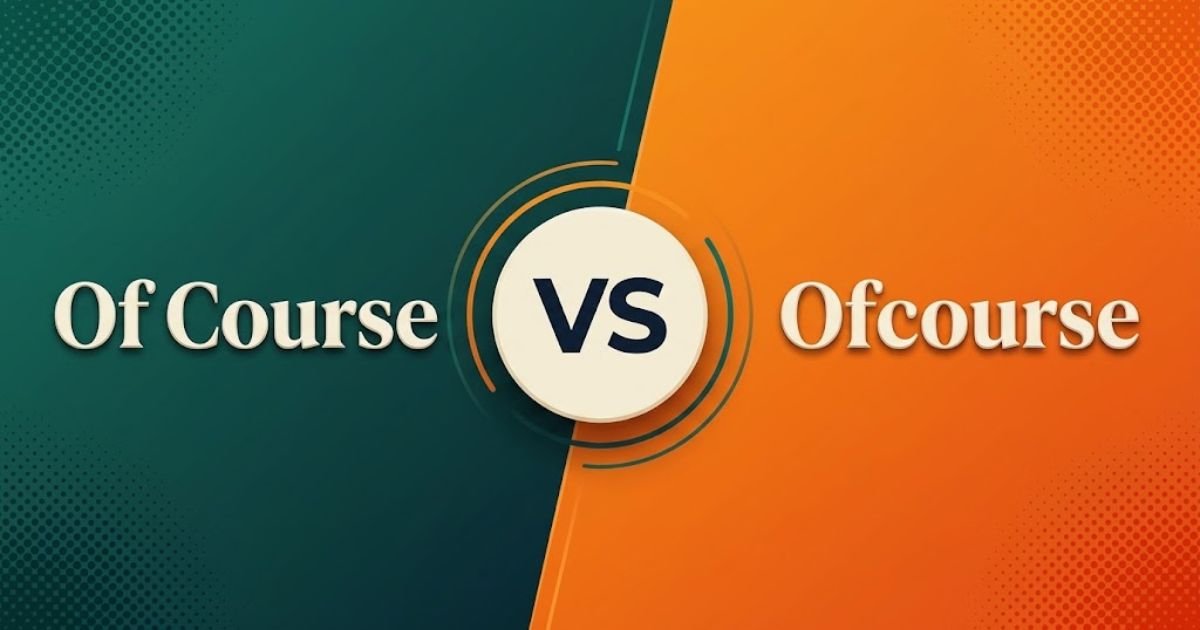
You typed “ofcourse” and something felt off, or maybe autocorrect flagged it and you want to know why. Here’s the quick answer: “of course” is the only correct form, written as two separate words. “Ofcourse” is a common misspelling, not an accepted variant, no matter how often it shows up in texts and comments.
Is “Ofcourse” Ever Correct?
No. “Ofcourse” is not a recognized word in any major English dictionary, including Merriam-Webster, Oxford, or Cambridge. It’s simply “of” and “course” mistakenly fused together, likely because the phrase is said so quickly in speech that it feels like one word.
You will see “ofcourse” used online, especially in casual texting, social media comments, and informal chats. That popularity does not make it correct. It’s a spelling error, similar to writing “alot” instead of “a lot.”
What Does “Of Course” Actually Mean?
“Of course” is an adverbial phrase used to express that something is obvious, expected, or certain. It signals agreement, confirmation, or the idea that a fact is already understood by both speaker and listener.
For example, when someone asks a question with an obvious answer, replying “of course” confirms it without extra explanation:
- “Can you help me move this weekend?” “Of course, I’d be happy to.”
- “Did you lock the door?” “Of course I did.”
The phrase can also introduce a fact or opinion the speaker treats as expected or already known, often at the start of a sentence.
The Grammar Behind “Of Course”
“Of course” is made up of two words: the preposition “of” and the noun “course.” Together, they function as a fixed adverbial phrase, meaning the two words always appear in this order and are never combined, hyphenated, or reordered.
Because it’s a fixed phrase, “of course” does not change form. There’s no plural, no past tense, and no alternate spelling. It stays exactly the same whether it opens a sentence, sits in the middle, or closes one.
Part of speech: adverbial phrase Function: expresses certainty, agreement, or an obvious conclusion Spelling: always two words, never one
Read Related Post: Licence vs License: Differences, Meanings and Which Spelling Is Correct?
Why Do People Write “Ofcourse” by Mistake?
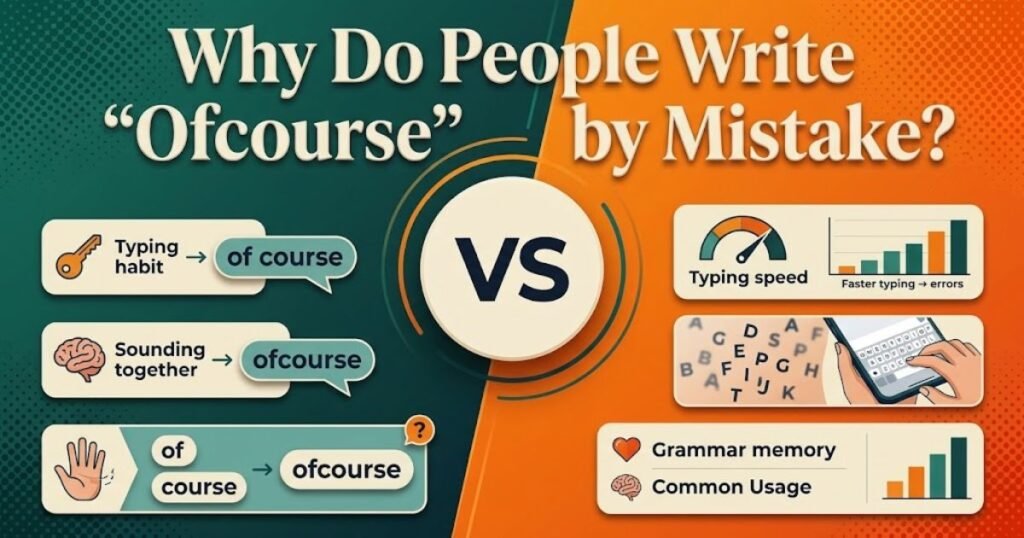
The mistake usually comes from how the phrase sounds in fast, natural speech. When spoken quickly, “of course” blends together and can sound like a single word, similar to how “going to” often sounds like “gonna.”
Autocorrect and predictive typing on phones can also reinforce the habit if a person types it as one word repeatedly without the system flagging it every time. Add in the influence of other compound words in English (like “ofcourse” mistakenly patterning after words such as “offhand” or “onward”), and the error becomes an easy one to pick up.
Origin of “Of Course”
The phrase has been used in English since at least the 16th century, originally tied to the idea of following a natural “course” or path, meaning something that happens as a matter of course, or naturally, as expected. Over time, it shifted from describing a literal path to describing something expected or obvious in conversation, which is how we use it today.
There is no separate origin story for “ofcourse” because it was never a real word. It exists only as a misspelling of the original two-word phrase.
How to Pronounce “Of Course”
“Of course” is pronounced uhv KORS, with the stress on the second word. In relaxed, everyday speech, many speakers soften the “of” into a quick “uh” sound, which is part of why the phrase can feel like one word when spoken aloud.
This natural blending in speech is normal and doesn’t affect how the phrase should be spelled in writing.
Of Course vs Ofcourse: Quick Comparison
| Term | Correct? | Meaning | Use |
| Of course | Yes | Expresses certainty, agreement, or an obvious fact | Standard in all writing and speech |
| Ofcourse | No | Not a real word; a misspelling | Never appropriate in any context |
How to Use “Of Course” Correctly in a Sentence
“Of course” is flexible. It can open a sentence, sit in the middle, or stand alone as a short response. Here’s how it works in different situations.
Everyday conversation: “Of course you can borrow my charger.”
Workplace communication: “Of course, I’ll send the revised report by end of day.”
Academic writing: “Of course, correlation does not always imply causation, but the pattern here is worth examining.”
Email or business writing: “Of course, we’re happy to accommodate that request. Please let us know your preferred date.”
Casual writing or texting: “Of course I remembered your birthday, lol.”
In each case, “of course” adds a tone of confidence or agreement without changing the core meaning of the sentence around it.
Common Mistakes With “Of Course”
Incorrect: She said ofcourse she would attend the meeting. Correct: She said of course she would attend the meeting. This is simply a spacing error. The two words must stay separate.
Incorrect: Ofcourse, I understand your concern. Correct: Of course, I understand your concern. Even at the start of a sentence, “of course” is still two words, not one.
Incorrect: He is, off course, going to finish the project on time. Correct: He is, of course, going to finish the project on time. “Off course” is a different phrase entirely (used for ships or planes veering from their planned route). Mixing it up with “of course” changes the meaning completely.
“Of Course” vs “Off Course”
It’s worth separating these two, since they sound similar but mean very different things. “Of course” expresses agreement or certainty. “Off course” describes something that has strayed from its intended path or plan, literally or figuratively.
- The plane went off course during the storm.
- Of course, we’ll reschedule if the weather doesn’t clear.
Confusing the two is a different mistake from writing “ofcourse,” but it’s common enough to mention here.
Related Words and Phrases
A few related expressions carry a similar tone or function to “of course”:
- Naturally, a close synonym used to express something expected
- Certainly, often used in more formal contexts
- Obviously, which carries a slightly stronger or blunter tone
- Sure, a more casual alternative in spoken English
- As expected, a phrase used to describe outcomes that match predictions
These words don’t replace “of course” in every context, but they’re useful alternatives when you want to vary your writing.
Formal vs Informal Usage
“Of course” works in both formal and informal writing, which is part of why it’s so widely used. In formal writing, it often softens a statement or shows polite agreement, as in “Of course, further research is needed.” In informal speech, it tends to carry more warmth or reassurance, as in “Of course, don’t worry about it.”
There is no British versus American spelling difference here. “Of course” is written the same way in both varieties of English. The only variation is in tone and pronunciation, not spelling.
Practical Tips to Avoid the Mistake
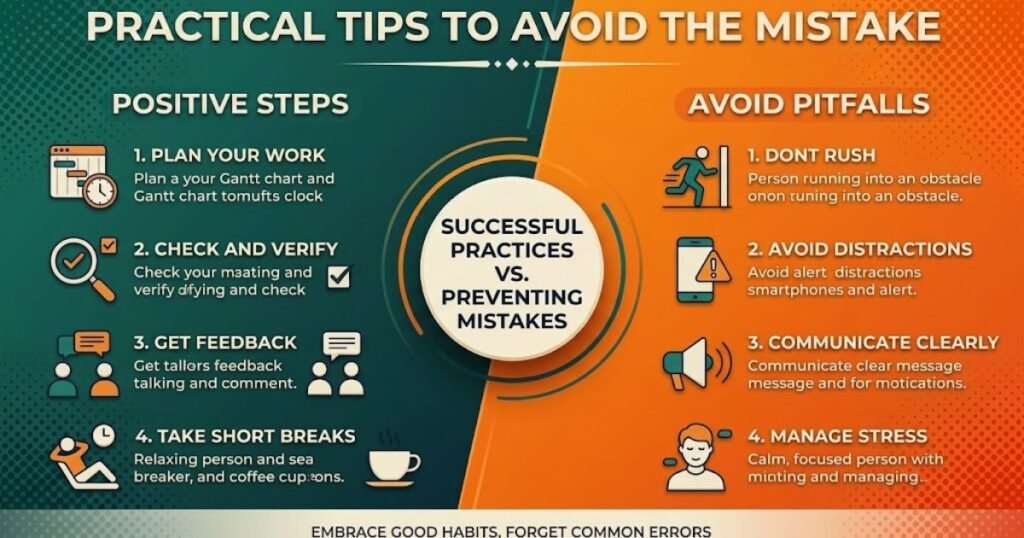
A few simple habits can help you avoid writing “ofcourse” by accident:
- Remember that the phrase comes from “of” plus “course,” two separate, ordinary words.
- If your spell checker underlines “ofcourse,” trust it and correct it.
- When typing quickly, pause slightly before the word “course” to reinforce the separation mentally.
- Read the phrase aloud in your head as two distinct words rather than one blended sound.
Frequently Asked Questions
Is “ofcourse” a real word?
No. “Ofcourse” is not recognized in any standard English dictionary. The correct form is always “of course,” written as two words.
What does “of course” mean?
“Of course” means something is obvious, expected, or agreed upon. It’s used to confirm a fact or answer a question with certainty.
How do I use “of course” in a sentence?
Use it to show agreement or confirm something expected, such as “Of course, I’ll be there on time.”
Is “of course” formal or informal?
It works in both. It’s common in professional emails, academic writing, and casual conversation alike.
What’s the difference between “of course” and “off course”?
“Of course” expresses agreement or certainty. “Off course” describes something that has drifted from its planned path or direction.
Final Takeaway
“Of course” is always two words, and “ofcourse” is simply a misspelling with no accepted use in English. The next time you type it quickly and it comes out as one word, remember the phrase’s real shape: of, then course, separate and unchanged in every context.

Smith Jason is an SEO expert with 2–3 years of experience, sharing grammar tips, confusing words, vocabulary and writing advice.